
Where Are the Major Manufacturing Hubs for Pedestal and Wall Fans?
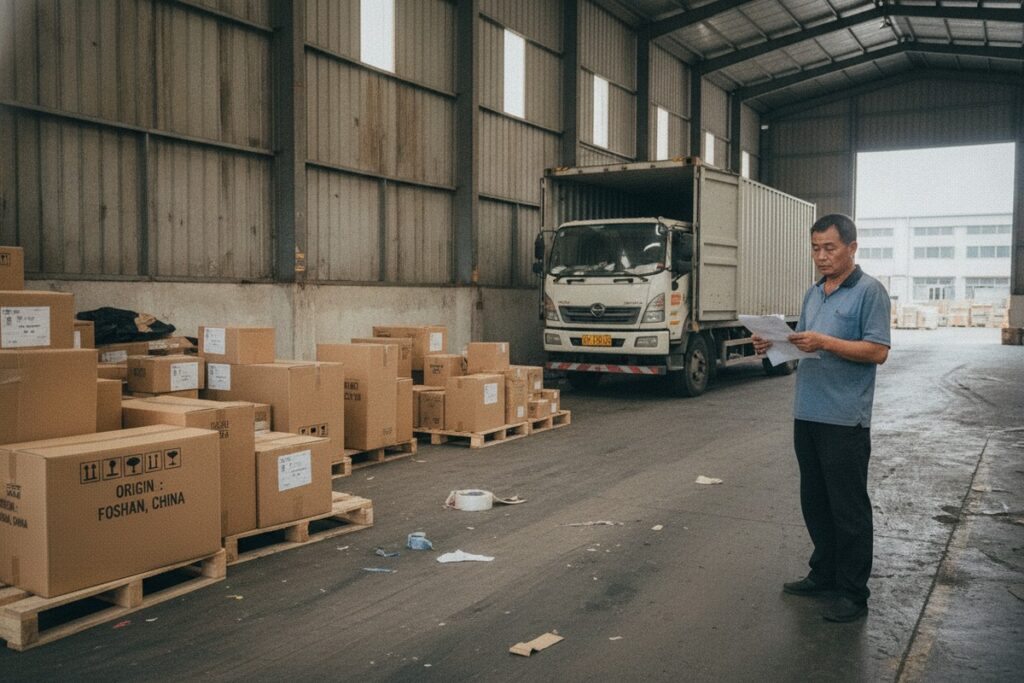
Table of Contents
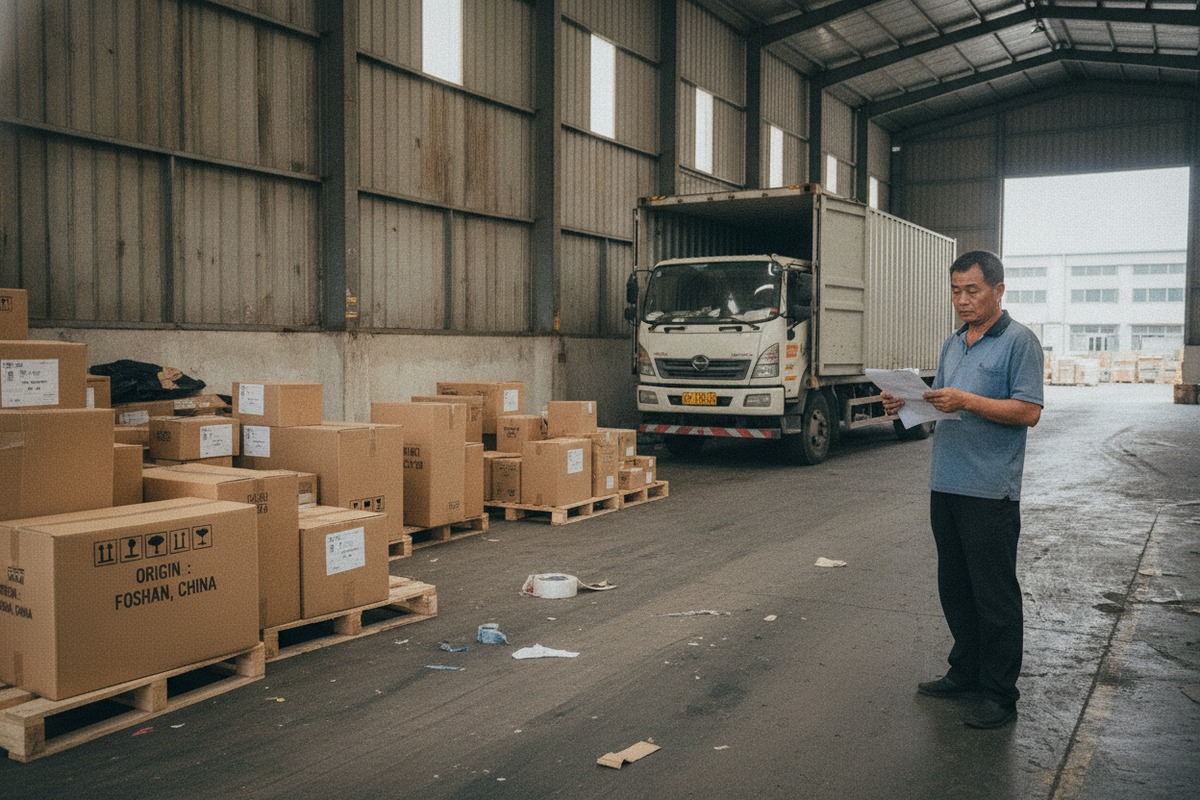
Every week, our Foshan office fields inquiries from distributors who cannot pinpoint where their fans are actually made — and that confusion costs them money, time, and quality.
The major manufacturing hubs for pedestal and wall fans are concentrated in China’s Guangdong province (especially Foshan), India, and Southeast Asia for volume production, while the United States and Europe serve as smaller but important hubs for industrial and commercial fan applications.
The rest of this article breaks down each hub, explains why it dominates its segment, and gives you practical sourcing guidance based on what we see daily in the global fan supply chain 1.
Why should I look at Foshan when sourcing pedestal and wall fans for my wholesale business?
A few years back, one of our Middle East buyers drove three hours across Guangdong visiting fan factories before realizing that nearly every supplier he met was already within a 30-kilometer radius of Foshan Guangdong province 2.
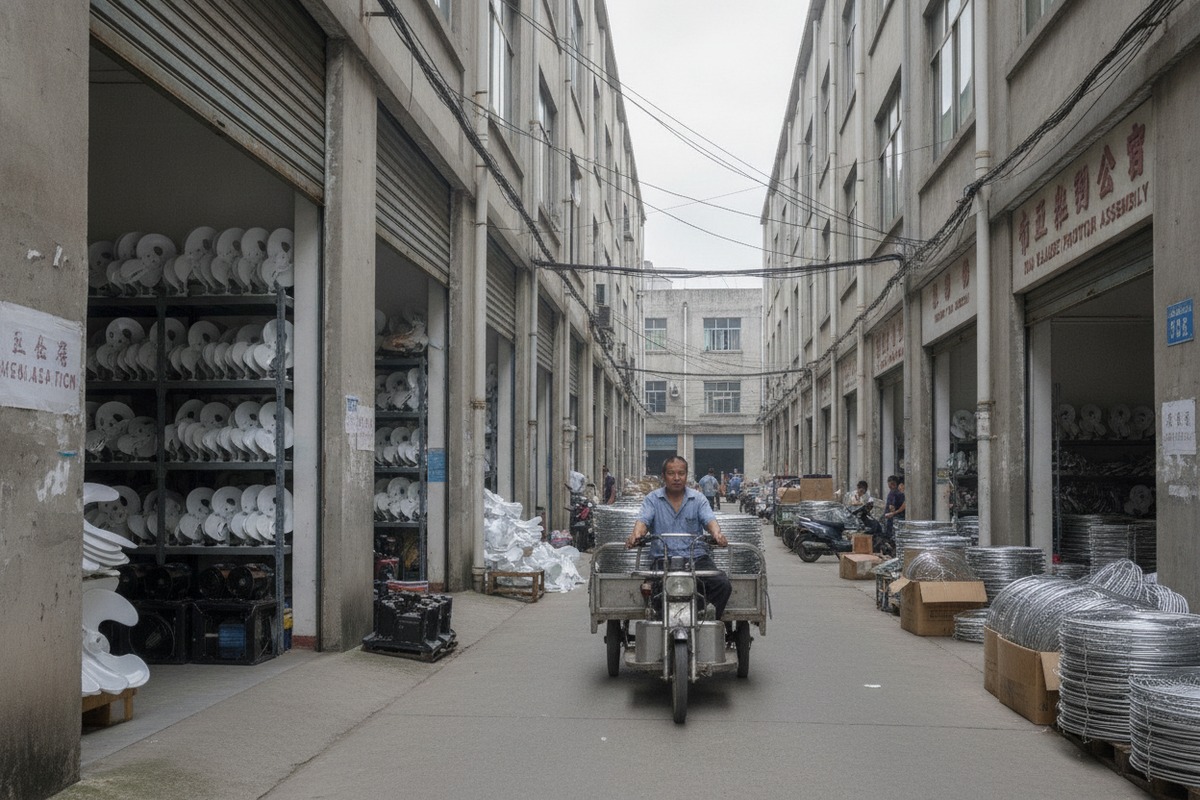
Foshan is the heart of China fan production for pedestal and wall fans because it hosts dense clusters of motor suppliers, plastic injection molders, metal stamping workshops, and finished-goods assemblers — all within a short drive, giving you faster lead times, lower component costs, and easier factory audits.
What Makes Foshan Different from Other Chinese Cities?
Foshan sits in the Pearl River Delta 3, one of the most industrialized zones on Earth. It is not just a city with fan factories. It is a complete ecosystem. Within a one-hour radius, you can find suppliers for every single component in a stand fan or wall fan: the motor winding shop, the blade mold maker, the oscillation gear manufacturer, the carton printer, and the final assembly line plastic injection molders 4. This density means our team can source a new motor variant, test it, and integrate it into a production run without waiting weeks for parts to ship from another province.
The Component Supply Chain Advantage
Here is a simplified view of what the Foshan ecosystem offers for a typical pedestal fan:
| Component | Typical Supplier Distance from Foshan | Lead Time for Samples |
|---|---|---|
| AC / DC motor | 5–20 km | 3–5 days |
| Plastic blade and grille (injection mold) | 5–15 km | 5–7 days |
| Metal base and pole (stamping) | 10–30 km | 4–6 days |
| Oscillation mechanism | 5–10 km | 2–4 days |
| Switch / speed controller | 10–25 km | 3–5 days |
| Packaging and printing | 5–20 km | 5–7 days |
This proximity is the reason China fan production for household appliances is so hard to replicate elsewhere quality control standards 5. When a buyer asks us to change a blade shape or add a remote control feature, we do not start from scratch. We walk across the industrial park.
How Foshan Compares to Other Global Hubs
India is a significant alternative for budget and mid-range fans, especially for markets in South Asia, Africa, and the Middle East. But India's component clusters are more spread out. Vietnam and Thailand are rising hubs, attracting brands that want to diversify away from China. The electric fan industry in those countries is growing, yet their motor and mold supplier networks are still maturing.
The United States has roughly 100 listed pedestal fan manufacturers, but most focus on industrial fan manufacturers serving warehouses, gyms, and factories — not mass-market household models. Europe occupies a similar niche, producing specialized ventilation equipment rather than high-volume consumer fans.
| Hub | Strength | Best For | Price Range |
|---|---|---|---|
| Foshan, China | Full supply chain, scale, OEM/ODM | Volume consumer + mid-range industrial | Low to mid |
| India | Large domestic market, low labor cost | Budget to mid-range, regional export | Low |
| Vietnam / Thailand | Diversification, rising infrastructure | Export-oriented brands avoiding single-source risk | Low to mid |
| United States | Industrial-grade quality, local compliance | Commercial and industrial fans, domestic B2B | Mid to high |
| Europe | Specialized engineering, energy standards | Niche industrial ventilation | High |
For wholesale buyers targeting Africa, Southeast Asia, or the Middle East — which is exactly the market profile we serve — Foshan offers the best balance of cost, speed, and customization depth. The Asia Pacific fan market is massive, and Foshan sits at its manufacturing center.
How can I find a factory in these major hubs that guarantees my quality control standards?
Last quarter, a distributor from Iraq told us he had rejected an entire container of wall fans because the oscillation gears failed after two weeks. His previous supplier had no QC process — just a visual check before packing.
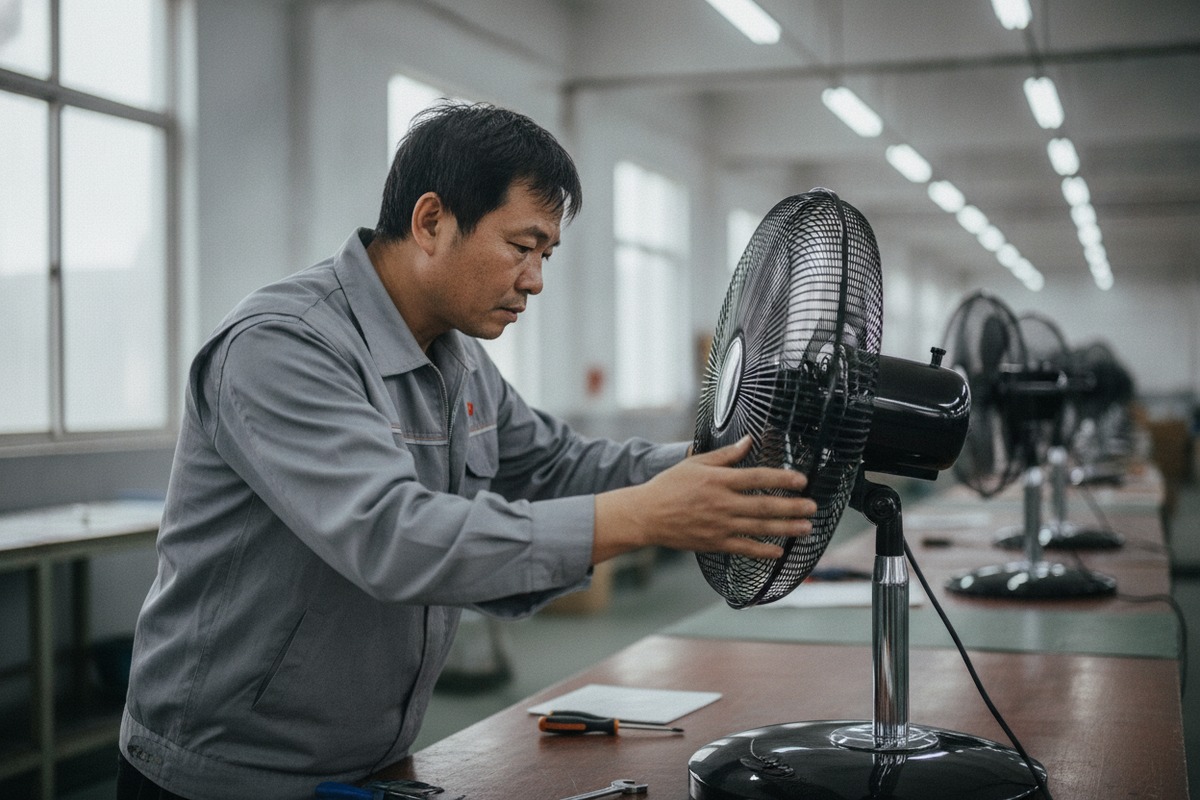
To find a factory that guarantees your quality control standards, request their QC workflow documentation, conduct a pre-production sample approval, insist on in-line inspections during assembly, and perform a final random inspection before shipment — or hire a third-party inspection firm based in the same manufacturing hub.
Start with the Right Questions
Before you even visit a factory or request a quote, ask these questions:
- Do you have a dedicated QC team, or does the production line self-inspect?
- Can you share your defect rate from the last three months?
- Will you allow third-party inspectors access during production?
- What testing do you perform on motors before assembly (winding resistance, insulation, noise)?
If a supplier hesitates on any of these, that is a red flag. In our own workflow, we run motor testing, blade balance checks, and a 30-minute burn-in test on every batch. These steps are standard in Foshan's better factories, but they are not universal.
A Practical QC Checklist for Pedestal and Wall Fans
| QC Stage | What to Check | Who Does It |
|---|---|---|
| Pre-production | Sample approval, material spec confirmation | Buyer + factory |
| Incoming material | Motor coil resistance, plastic color match, metal thickness | Factory QC team |
| In-line (during assembly) | Oscillation smoothness, wiring integrity, screw torque | Factory QC or third-party |
| Finished product | Power-on test, noise level, tilt/stability, safety label | Factory QC team |
| Pre-shipment | AQL random sampling (typically AQL 2.5 for major defects) | Third-party inspector |
Differences Across Manufacturing Hubs
Quality control culture varies by region. In Foshan, factories that export to the Middle East and Africa understand that buyers need durable, heat-resistant products. Indian factories serving domestic markets may optimize for lowest cost, which can mean thinner materials or less rigorous testing unless you specify otherwise. Industrial fan manufacturers in the U.S. often exceed international standards because they build for commercial fan applications in regulated environments — but you pay a premium for that assurance.
The key takeaway is this: the hub does not guarantee quality. Your specification sheet and your inspection process guarantee quality. A factory in any hub will rise or fall based on whether the buyer enforces standards. We have seen buyers succeed with budget factories simply because they defined tolerances, approved samples carefully, and inspected before shipment.
Energy efficient fans and high velocity fans both need specific performance testing — CFM output, wattage draw, and noise in decibels. If your product line includes these categories, make sure your QC checklist includes performance metrics, not just cosmetic checks.
Can I get full OEM support for my private label brand from these manufacturing clusters?
One of our regular buyers in Saudi Arabia once told me his biggest frustration was not finding a factory that could make fans — it was finding one that could put his logo on the motor housing, print his brand on the carton, design a retail-ready color box, and match his exact Pantone shade of blue, all under one roof.
Yes, most established factories in Foshan, India, and Southeast Asia offer full OEM support — including custom branding, private label packaging, product color and material modifications, unique carton design, and compliance labeling — making these hubs ideal for distributors building their own fan brands.
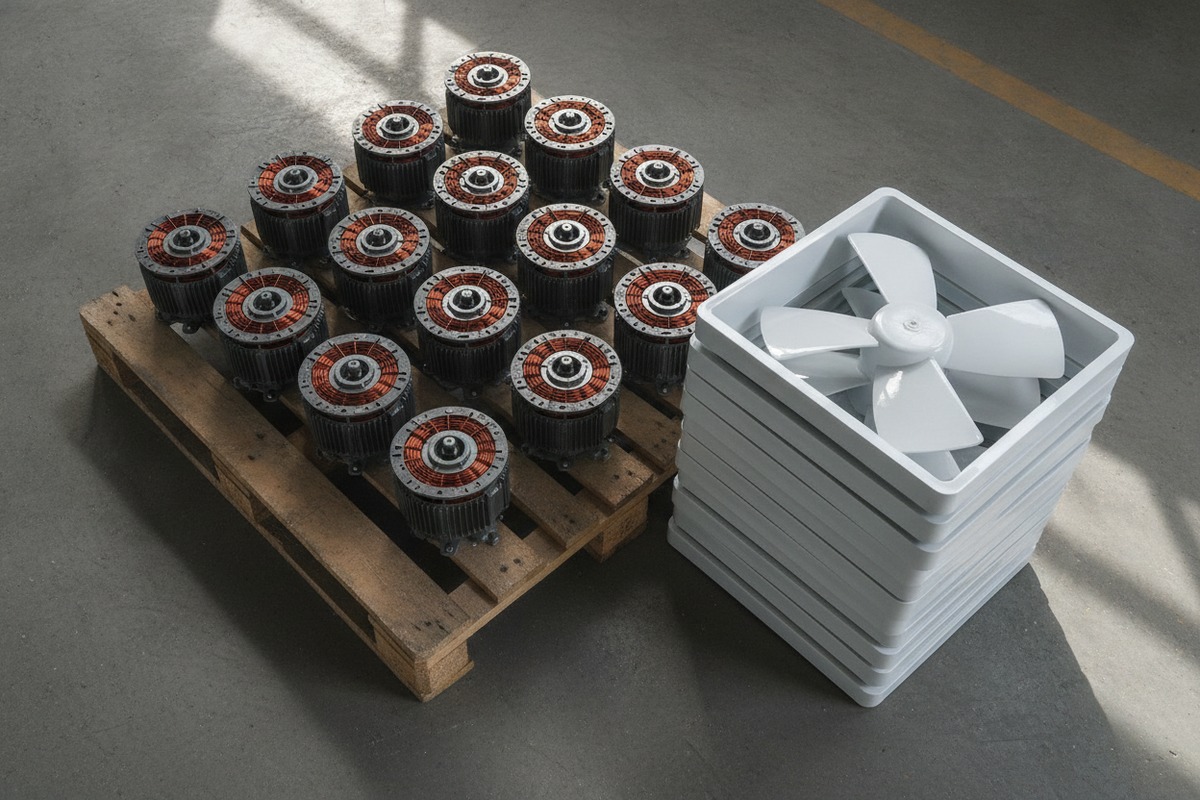
What Full OEM Support Actually Includes
The term "OEM" gets used loosely in the fan trade. Here is what it should mean for a wholesale buyer:
- Logo and branding: Your brand name on the motor badge, grille ring, base, remote control, and packaging.
- Color customization: Custom RAL or Pantone colors for the body, blades, and grille.
- Carton and box design: Retail-ready packaging with your artwork, barcodes, and regulatory marks.
- Product modification: Changes to blade count, base weight, cord length, plug type, or voltage.
- Compliance marking: CE, SASO 6, or other regional certifications printed or labeled on the product.
In our experience, most Foshan OEM fan suppliers can handle all five of these within a single order cycle. The MOQ for full customization typically starts at 500–1,000 units per SKU, though this varies. Some Indian factories set higher MOQs because their production lines are optimized for longer, less-varied runs serving the domestic market.
OEM vs. ODM: Know the Difference
Many buyers confuse OEM and ODM 7. Here is a quick distinction:
- OEM: You take an existing fan design and add your branding. The factory makes it to your visual specifications.
- ODM: You co-develop a new design — perhaps a unique blade shape, a new base style, or a smart feature integration — and the factory engineers it from concept to production.
ODM requires deeper collaboration and longer development timelines. We have worked on ODM projects where a buyer wanted a specific oscillation angle or a dual-mount design (pedestal and wall bracket in one product). These modular fan designs are a growing trend, and factories in Foshan are well-equipped for this kind of development because the component suppliers are nearby.
Regional OEM Capability Comparison
Not all hubs offer the same depth of OEM service. Here is a practical comparison:
| OEM Capability | Foshan, China | India | Vietnam / Thailand | USA | Europe |
|---|---|---|---|---|---|
| Logo / branding on product | ✔ Standard | ✔ Standard | ✔ Available | ✔ Available | ✔ Available |
| Custom color (Pantone match) | ✔ Low MOQ | ✔ Higher MOQ | ✔ Medium MOQ | Limited | Limited |
| Custom packaging design | ✔ In-house | ✔ Outsourced | ✔ Outsourced | ✔ In-house | ✔ In-house |
| Voltage / plug customization | ✔ Standard | ✔ Standard | ✔ Available | Mostly 110V | Mostly 220V |
| ODM co-development | ✔ Strong | Moderate | Growing | ✔ Strong (industrial) | ✔ Strong (industrial) |
| Typical MOQ for full OEM | 500–1,000 pcs | 1,000–3,000 pcs | 1,000–2,000 pcs | 100–500 pcs | 100–500 pcs |
For household appliance manufacturing at volume — which is what most of our Africa, Southeast Asia, and Middle East buyers need — Foshan's OEM infrastructure is hard to beat on both flexibility and cost. The U.S. and Europe offer excellent ODM for industrial and commercial models, but at higher price points and often with longer engineering lead times.
Fan market trends show a growing demand for smart features like Wi-Fi control 8 and voice assistant compatibility. If your private label strategy includes these features, confirm that your factory has experience integrating electronics modules. Not every assembly line is set up for circuit board integration — ask for samples of smart fan models they have already produced.
How does the supplier's location in these hubs affect my shipping costs and lead times?
A distributor we work with in the UAE once chose a factory 600 kilometers inland from any Chinese port. His per-unit cost was marginally lower, but the inland trucking added five days and nearly wiped out the savings. Location within a hub matters just as much as which hub you choose.
A supplier's location directly affects your shipping costs and lead times because proximity to major ports (like Nansha or Shekou near Foshan) reduces inland trucking fees and transit time, while hub infrastructure such as container availability and freight forwarder density determines how quickly your order moves from factory floor to your warehouse.
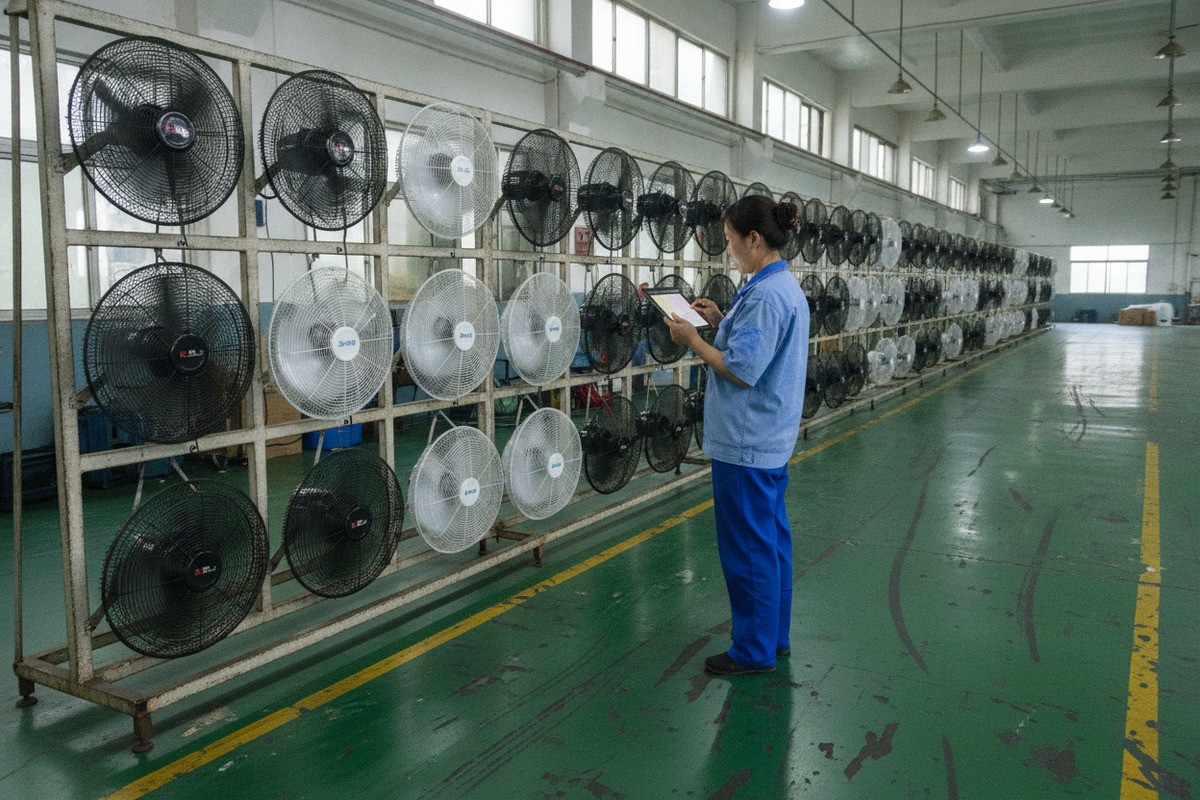
Port Proximity: The Hidden Cost Factor
When buyers compare quotes from different hubs, they often focus on the FOB unit price. But the total landed cost 9 includes inland transport, port handling, ocean freight, and customs clearance. A factory in Foshan is typically 30–60 minutes from Nansha Port 10 or Shunde's inland container depot. That short distance translates to lower trucking costs and faster container loading.
Compare that to a factory deep in India's interior. The unit price may be 10–15% lower, but the inland rail or truck journey to Mumbai or Chennai port can take several days and add meaningful cost. For time-sensitive orders — like pre-season stock for summer in the Middle East — those extra days matter.
Typical Shipping Routes and Timelines
Here are approximate ocean freight timelines from major fan manufacturing hubs to common destination markets:
| Origin Hub | Nearest Major Port | Transit to Dubai (days) | Transit to Lagos (days) | Transit to Jakarta (days) |
|---|---|---|---|---|
| Foshan, China | Nansha / Shekou | 12–16 | 25–30 | 7–10 |
| Mumbai, India | Nhava Sheva | 5–7 | 20–25 | 12–15 |
| Ho Chi Minh City, Vietnam | Cat Lai | 14–18 | 30–35 | 5–7 |
| Bangkok, Thailand | Laem Chabang | 14–18 | 28–33 | 5–7 |
| U.S. (East Coast) | Savannah / Newark | 25–35 | 20–25 | 30–40 |
These numbers shift with shipping line schedules and seasonal demand, but the pattern is clear. For buyers in the Middle East and Africa — our core export markets — Foshan offers a strong balance of short transit times and frequent sailings. India wins on transit time to the Gulf but may lose on lead time if the factory is far from the port.
Lead Time Is Not Just Shipping Time
Total lead time includes production time plus shipping time. A factory with stock availability — meaning they keep popular models in inventory — can ship within days of order confirmation. This is one of our key advantages at SF Fan: we maintain ready stock of our best-selling stand fans and wall fans specifically for distributors who cannot wait 30–45 days for a full production run.
If you are sourcing from the global fan supply chain for the first time, map out the full timeline: order confirmation, production, QC inspection, inland transport, port loading, ocean transit, customs clearance, and last-mile delivery. Each step has a variable window. The best factories in established hubs like Foshan compress those windows because the infrastructure around them is mature.
For high velocity fans and industrial pedestal models, shipping costs per unit can be lower because the higher per-unit value justifies the freight. But for budget consumer fans, freight can represent 15–25% of the landed cost, making port proximity a critical sourcing criterion.
Conclusion
The manufacturing map for pedestal and wall fans is clear: Foshan leads in volume, flexibility, and export infrastructure, with India and Southeast Asia offering viable alternatives for cost or diversification goals.
Footnotes
1. Replaced HTTP 403 link with an authoritative Wikipedia page defining ‘supply chain’, which is relevant to ‘global fan supply chain’. ↩︎
2. Replaced HTTP 403 link with an authoritative Wikipedia page providing a comprehensive overview of Guangdong province. ↩︎
3. Describes the Pearl River Delta as a leading economic and manufacturing region. ↩︎
4. Replaced HTTP 403 link with an authoritative Wikipedia page explaining ‘injection moulding’, which covers plastic injection molders. ↩︎
5. Explains the international standard for quality management systems. ↩︎
6. Replaced HTTP 403 link with the official website of the Saudi Standards, Metrology and Quality Organization (SASO). ↩︎
7. Replaced HTTP 404 link with an authoritative article providing a comprehensive technical guide on OEM vs. ODM. ↩︎
8. Explains the underlying technology for connected smart devices. ↩︎
9. Explains the comprehensive calculation of total product cost from origin to destination. ↩︎
10. Replaced HTTP unknown link with an authoritative Wikipedia page providing an overview of Nansha Port. ↩︎