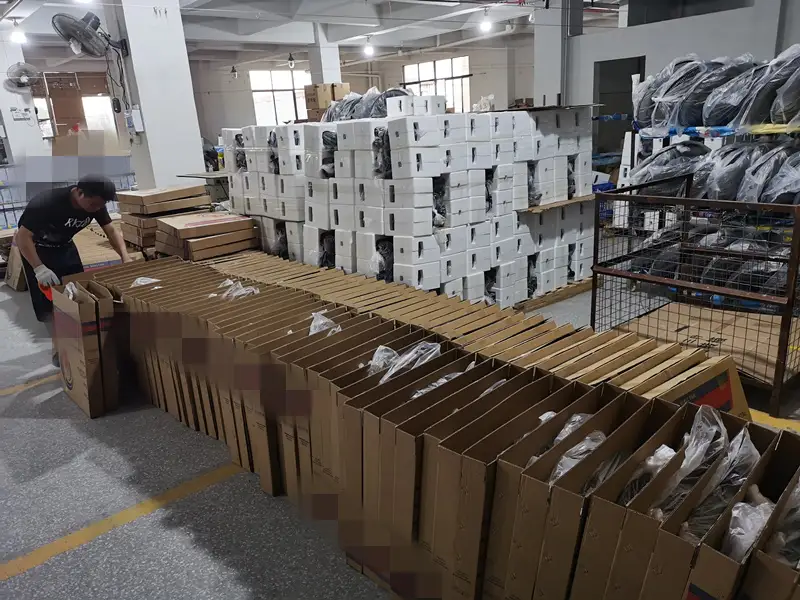
Electric Fan Testing & Quality Control
Quality control before, during and after assembly. Incoming materials are checked against order requirements, while assembly, electrical safety, operating performance and appearance are verified through the production process.

What we check in production
- Hi-Pot
- Grounding
- Low-Voltage Start
- Temperature Rise
- Input Power
- Airflow
- Noise
- QA Sampling
- 6 StagesQuality checks from incoming parts to container loading
- Hi-PotHigh-voltage tested before every fan leaves the factory
- 100%Critical checks on incoming components
- 1 YearStandard product warranty
Quality Checks from Components to Container
Six checkpoints on every order. Inspection details are matched to the confirmed industrial, commercial or household fan model.
Incoming Components
Motors, cords, plugs, switches, capacitors, grilles, blades and cartons are checked against drawings, safety requirements and approved samples. Non-conforming parts are isolated.
Incoming quality controlMotor, Wiring and Structure
Motor, wiring and structure are checked as each fan is built on the line.
Production processHigh-Voltage and Grounding
Every fan is hi-pot tested before it leaves the factory. Grounding is tested on models with an earth connection.
Safety testsSpeed, Oscillation and Noise
Assembled fans run through every speed to check airflow, oscillation, vibration and operating sound.
Performance checksFinal Sampling and Appearance
Representative units are pulled for visual, performance, safety and compliance review before release.
Final QA samplingPacking and Loading
Cartons, labels, manuals and accessories are reviewed, then carton data and the loading plan are confirmed.
Packaging & loadingElectrical Safety Tests
Besides testing individual components, we test the complete fan to confirm it is safe under real working conditions.
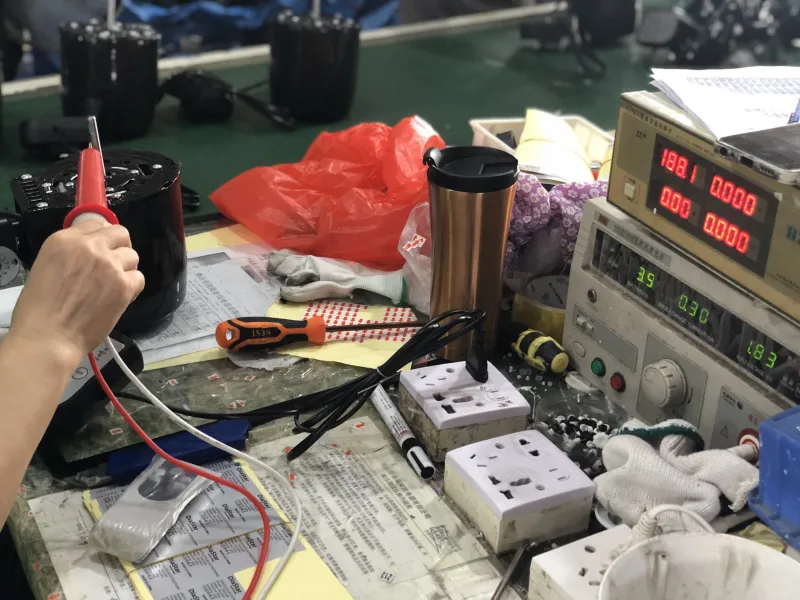
High-Voltage (Hi-Pot) Test
High-voltage testing checks insulation strength and helps reduce the risk of electrical leakage, short circuits and electric shock. Every fan is hi-pot tested before it leaves the factory.
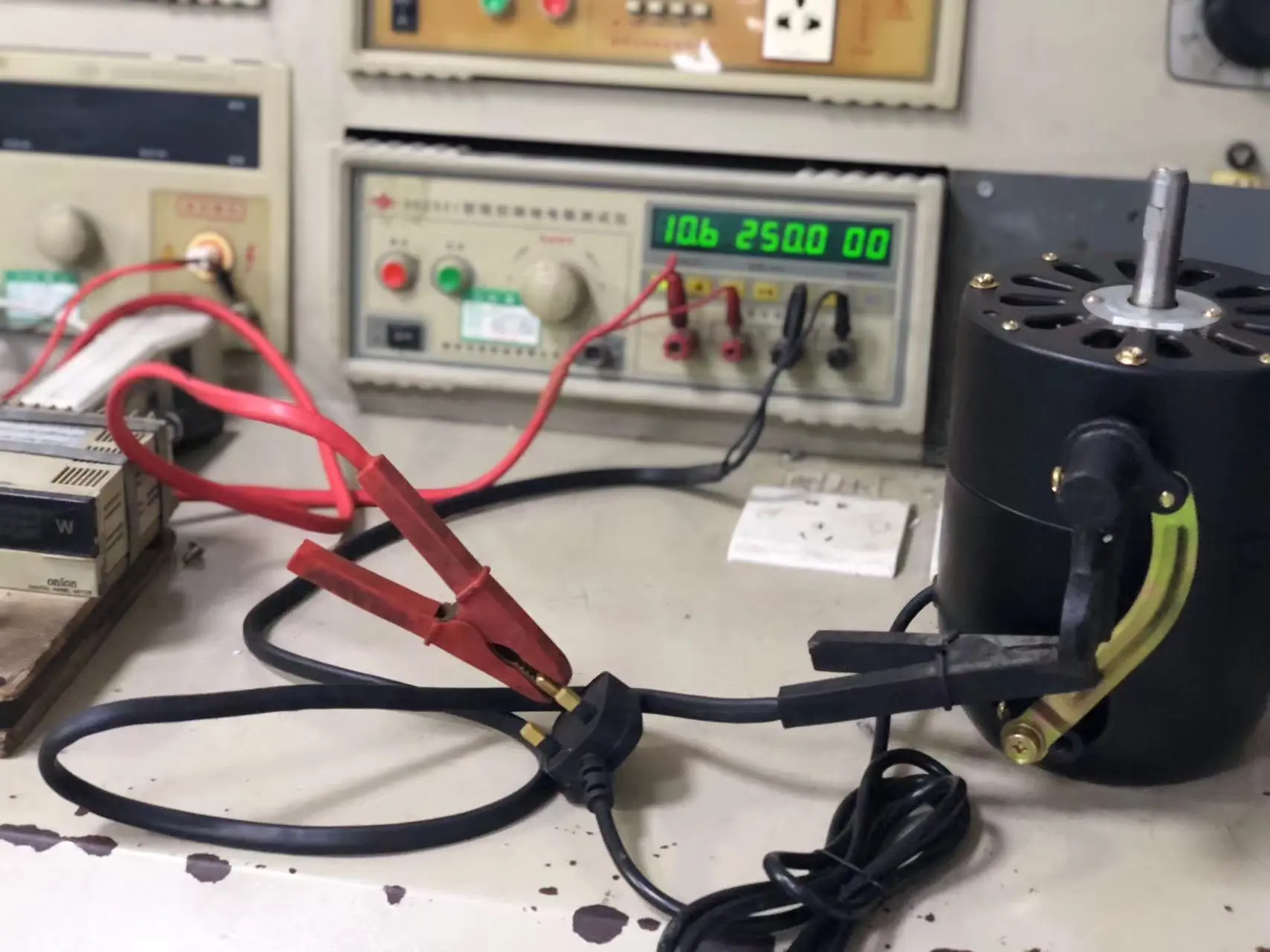
Grounding Test
For models with an earth connection, grounding tests verify the protective earth path that guards against electric shock.
Fan Motor Testing
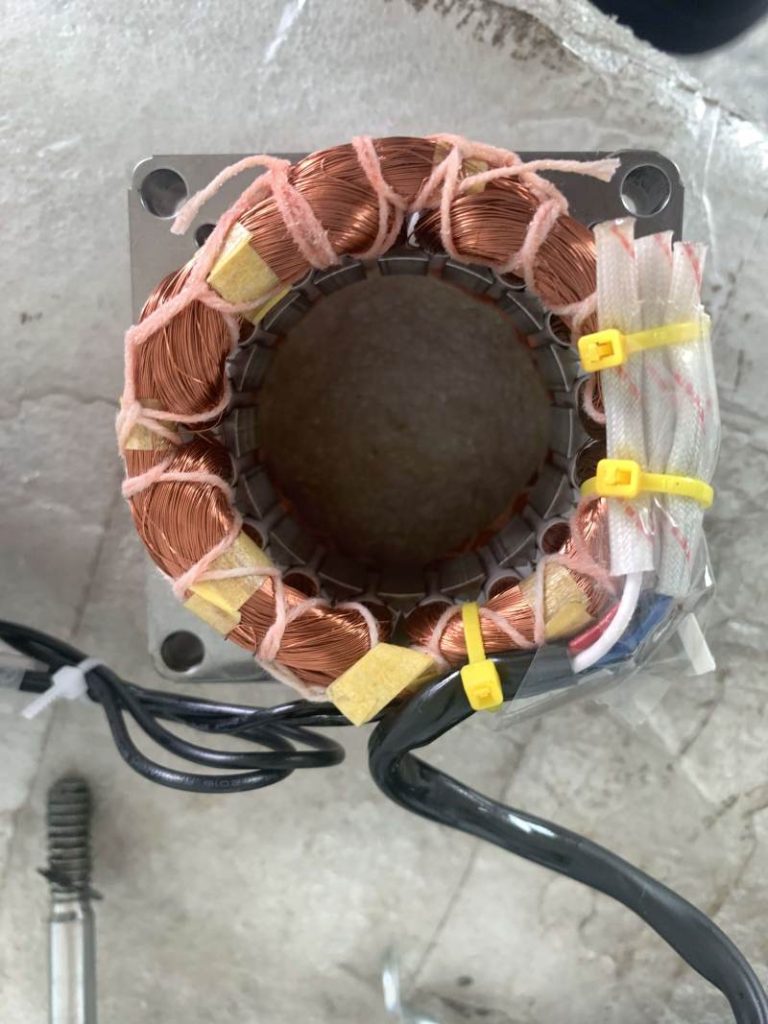
The motor decides how long a fan lasts. Each batch of motors is tested against the standard set for that model.
- Low-voltage starting, input power and speed at every setting
- Motor temperature rise kept within the specified range
- Oscillation, running sound and required electrical tests
- Voltage, current and wire gauge checked against the motor configuration
- Test equipment calibrated, so readings can be trusted
- Pre-production motor and blade samples kept as the reference for incoming parts
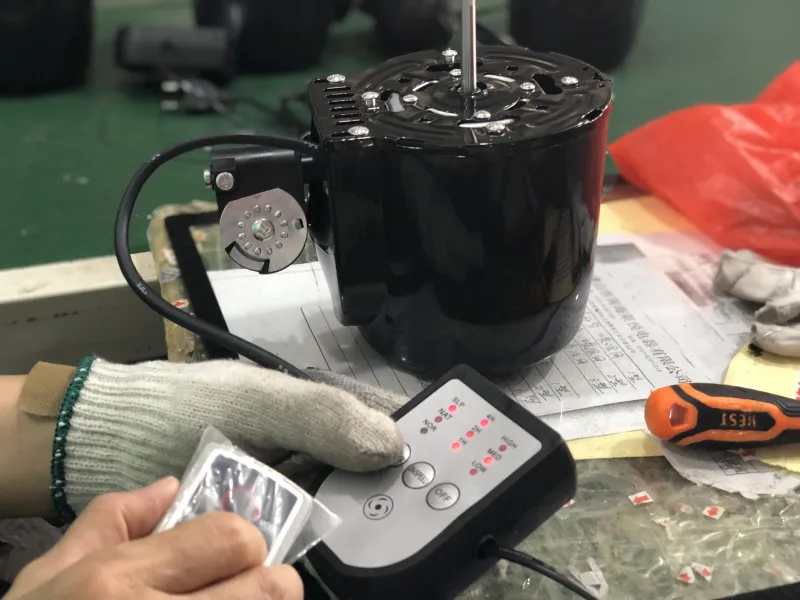
Targets set for one past industrial fan order, by speed setting. Each order gets its own standard.
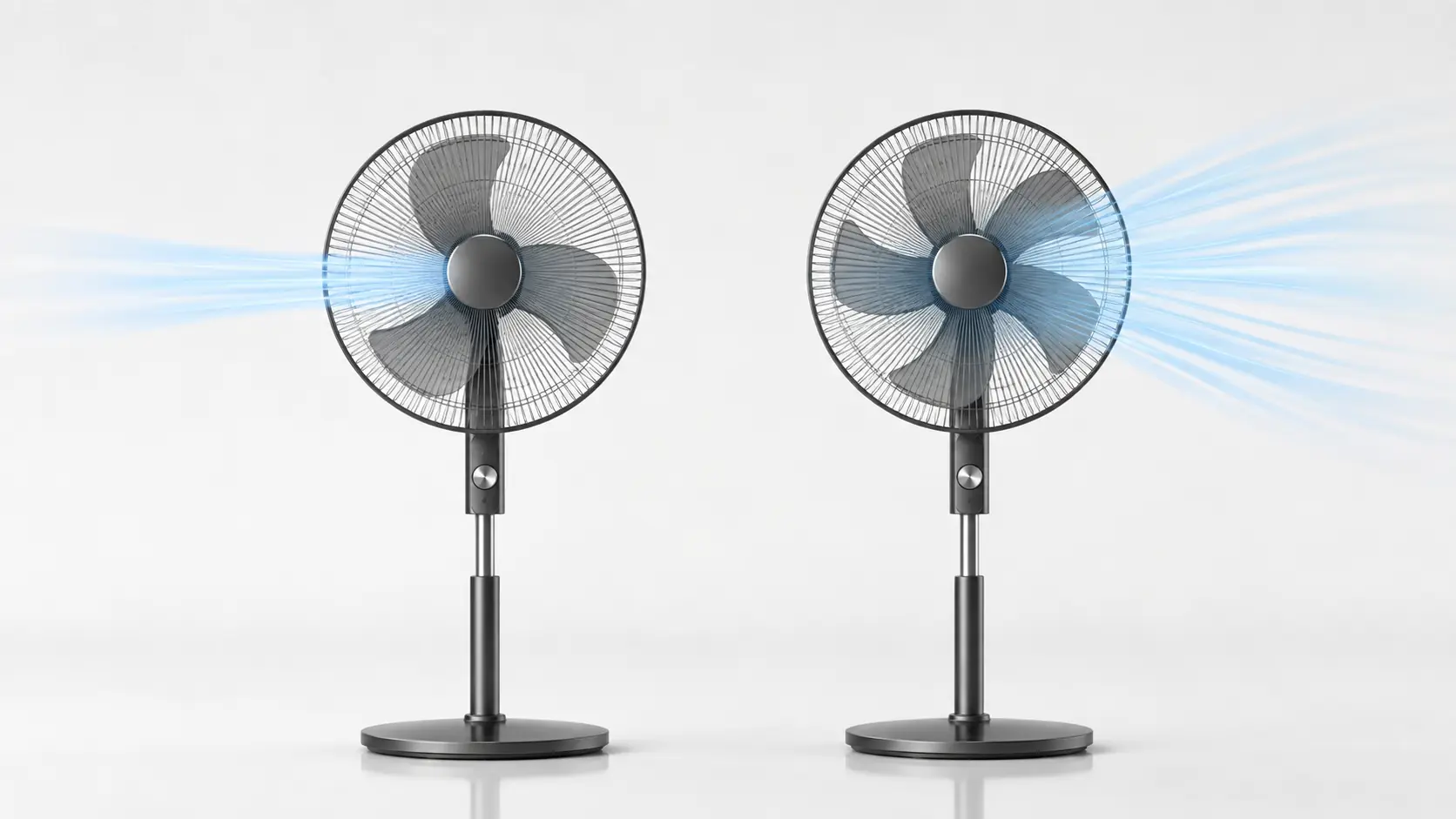
Airflow, Noise and Performance Checks
Assembled fans are switched on and run through every available speed before packing.
Every Speed Setting
Airflow at each speed, and every gear switches smoothly.
Oscillation and Tilt
Oscillation movement and pitch angle work as specified.
Noise and Vibration
Operating sound and abnormal vibration are checked, along with blade balance and fit.
Real Problems We Found and Fixed
Testing matters most when something goes wrong. Here is how our QC team traced real issues back to their cause.
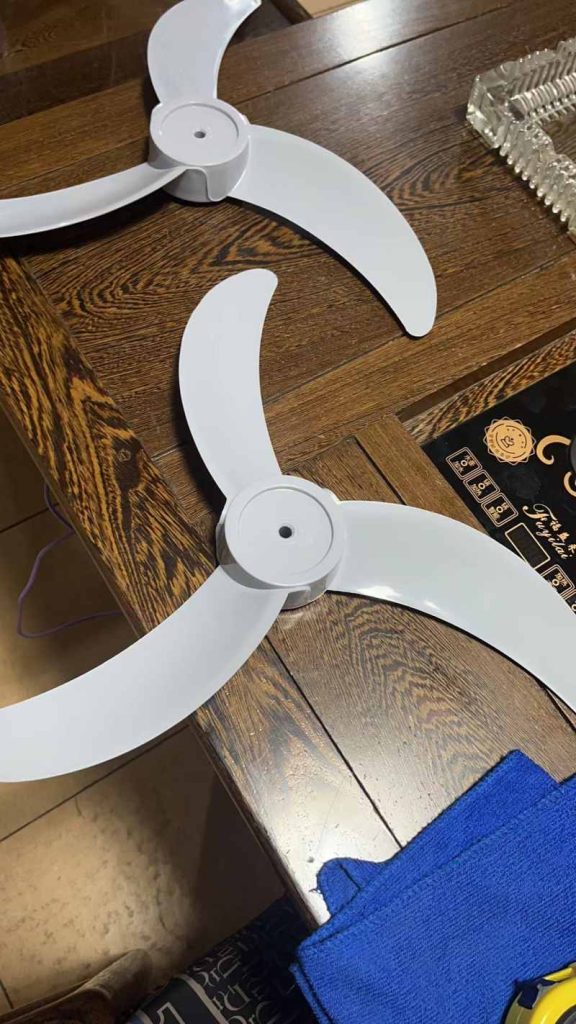
A Noise That Was Not the Motor
- Problem
- A routine check found unexpected noise in a batch.
- Cause
- The motor and blades checked out fine. A small gap in the logo plate on the grille was vibrating.
- Fix
- The plate was tightened and the noise was gone.
Blade Vibration in One Batch
- Problem
- 50% of blades from one batch vibrated when fitted to our stock motors.
- Cause
- Blades had been packed before they fully cooled and deformed in transit.
- Fix
- We changed the production schedule, adjusted blade parameters and reduced the motor shaft gap.
Returns Rising to 2–3%
- Problem
- A long-term customer in Southeast Asia saw returns rise from under 1%.
- Cause
- Our engineers analyzed 40 motors on site. Most returns were units 3–10 years old.
- Fix
- We extended support and lowered motor temperature rise from 60–65K to 50–59K.
Sparks During Motor Tests
- Problem
- A buyer saw sparks when testing a motor on its own.
- Cause
- Sparking on a motor tested outside the fan is normal and is not a safety defect.
- Fix
- We explained the test and confirmed safety with full-unit testing.
Test Standards Set for Your Order
Tests follow the model, voltage, plug and market you confirm at quotation and sampling.
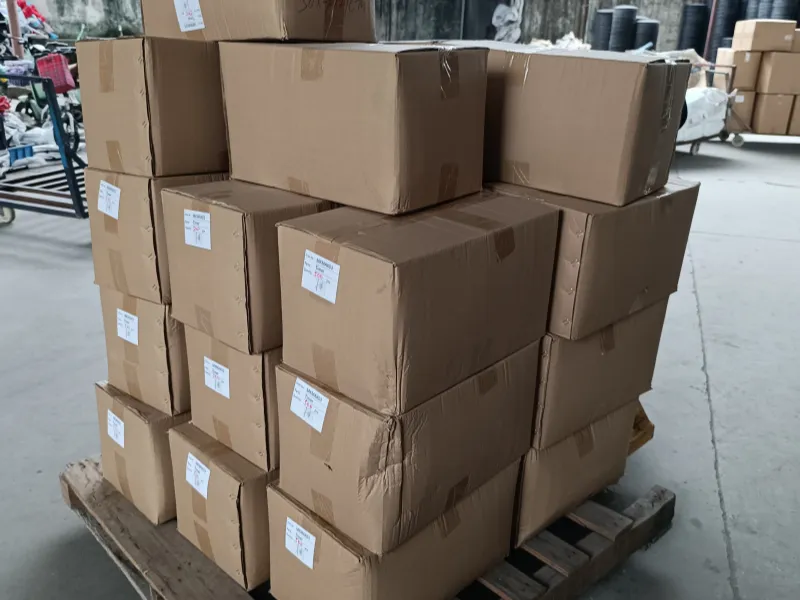
Standards by Model and Batch
Power, speed and other targets are set for each order, and the approved pre-production sample becomes the reference for mass production.
Inspection Before Loading
You are welcome to inspect the goods before loading, yourself or through a third-party inspection company.
Certification Testing
Lab testing and documents for your destination market are confirmed by model.
Certification by marketWarranty and Spare Parts
1-year standard warranty, with 0.5% extra spare parts shipped with every bulk order.
After-sales supportTesting & Quality Questions
Short answers for buyers checking our quality control. More questions are answered on our FAQ page
What tests does every fan go through before shipment?
Every fan is hi-pot tested before it leaves the factory, and models with an earth connection are grounding tested. Assembled fans run through every speed for airflow, oscillation, vibration and noise checks. Assembly is inspected before packing, and final QA sampling reviews appearance, performance and safety before release.
Do you test motor temperature rise?
Yes. Motors are tested by batch so that temperature rise, speed and power stay within the range set for the model.
Do you use copper or aluminum motor windings?
Both. Winding material is confirmed by model and order. Tell us if your market or customers require copper windings, and we will discuss the options.
How do you inspect incoming parts?
Components are checked against drawings, safety requirements and approved samples before they reach the line. Defects are classed as critical, major or minor, and non-conforming parts are isolated.
Can you test to the specifications of my order?
Yes. Targets such as power and speed are set for each order and checked against the approved pre-production sample.
Can I or a third-party inspector check the goods before loading?
Yes. You can inspect the goods yourself or arrange a third-party inspection company before the container is loaded.
Ask About Testing for Your Fan Model
Send us these details and we will confirm the tests, standards and documents for your order.
- Fan model or category
- Target market
- Voltage and plug type
- Tests or reports you need
- Order quantity
- Inspection plan before loading